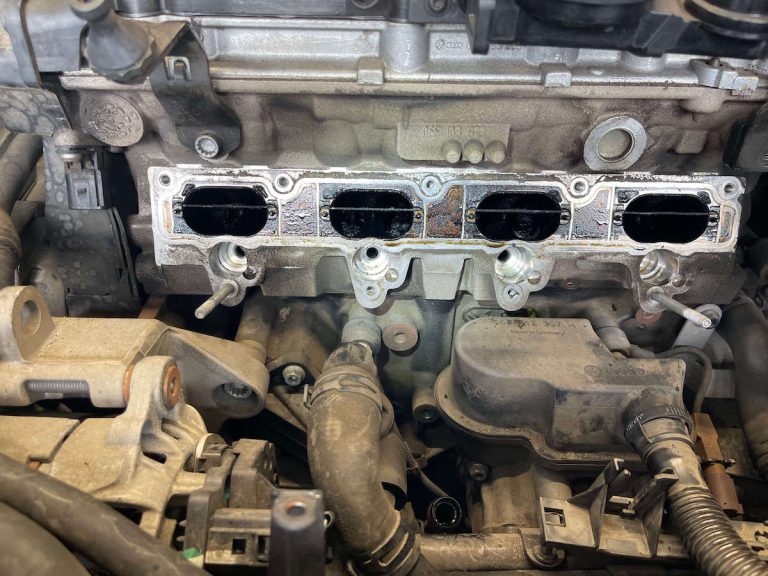


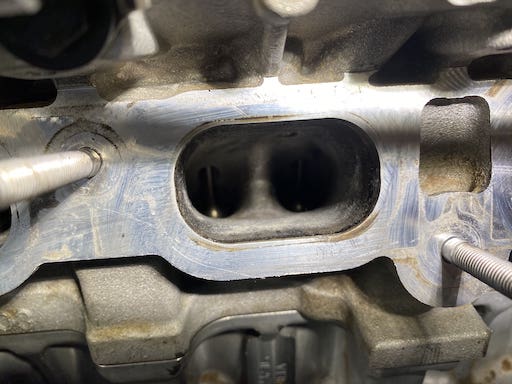
A well-maintained engine is efficient, smooth, and reliable. Over time, combustion leaves lasting deposits that affect airflow, upset fuel delivery, and sap power. This is why engine carbon cleaning has become the preferred solution for drivers seeking to restore their car’s performance and reduce fuel consumption without incurring expensive repairs. In this blog, we discuss the importance of carbon removal engine services and practical engine maintenance tips you can depend on.
Warning Signs of Carbon Build-Up in Your Engine
- Rough idle or misfire under light load
- Intake whistle, hesitation, or hotter running temps
- Excess smoke, especially on diesels
- Noticeable drop in fuel economy
- Poor throttle response or flat spots
- EGR or DPF warnings or limp-mode episodes
Why Engines Build Carbon and How It Affects Efficiency
Every modern diesel or petrol engine forms carbon over time. Deposits get stuck to intake ports, intake valves, piston crowns, EGR passages, turbo vanes, and even injector tips.
As layers get thickened over time:
- The injectors spray poorly, resulting in incomplete combustion.
- Airflow is restricted, so the air-fuel mix runs rich.
- Throttle response dulls, and idle becomes rough or noisy.
- EGR and DPF components clog faster, elevating exhaust temps and emissions
If these issues are left unchecked, the gradual decline accumulates to higher fuel bills, poor acceleration, and warning lights, especially during city driving.
What is Engine Carbon Cleaning?
This process targets the deposits that build up over time. Using proven techniques like targeted intake or port cleaning and direct injection engines, carbon removal engine service clears the surfaces that are crucial for airflow and atomisation. The result is cleaner fuel burning, better response, and measurable gains in economy.
Components that get addressed:
- Combustion-side build-up contributing to hot spots.
- EGR valve and passages.
- Intake valves and ports.
- Turbo inlet and variable vanes.
- Throttle body and MAP/MAF sensor zones.
A professional engine cleaning is focused and non-invasive, allowing you to avoid unnecessary teardown while still achieving great results.
The Immediate Benefits of Engine Carbon Cleaning
Smoother and Stronger Acceleration:
Free airflow and cleaner injector delivery restore low and mid-range torque.
Lower Fuel Use:
More complete combustion helps reduce fuel consumption in cars, especially noticeable on suburban commutes.
Cleaner Emissions:
A clean path for EGR or DPF, and proper combustion reduces soot and nitrogen dioxide.
Quieter Idle and Fewer Vibrations:
Balanced combustion reduces idle shakes and driveline harshness.
Protection for Critical Components:
Proper breathing supports the longer life of injectors, turbos, EGR, and DPF.
The Step-by-Step Process of Professional Engine Carbon Cleaning
Inspection and Diagnostics:
Scan data, visual checks, vacuum readings, and, where relevant, borescope inspection.
Targeted Cleaning:
Intake or port cleaning to remove valve and runner deposits.
System Cleaning:
EGR pathway or throttle body attention, sensor surfaces cleaned and refitted to specifications.
Post Clean Checks:
Live data comparison, fuel-trim checks, idle stability, and road test.
Handover and Practical Advice:
Receive personalised engine maintenance tips tailored to your driving style and vehicle needs.
Save More in the Long Run with Regular Engine Carbon Cleaning
A focused carbon removal engine service is more cost-effective than fixing the issue. Restoring airflow can prevent or delay the following,
- EGR valve sticking and DPF overloads
- Persistent misfire diagnosis bills
- Premature injector replacement
- Turbo vane fouling and over-boost faults
Many start to feel improved drivability instantly and reduced pump-to-pump spend within the first few tanks, exactly the outcome you want when the goal is to reduce fuel consumption expenses in everyday traffic.
Practical Tips to Reduce Carbon Deposits in Your Engine
- Use quality fuel and avoid extended storage in the tank.
- Give the engine a weekly 20–30-minute run to full temperature.
- Replace air and fuel filters on time to protect mixture control.
- Book injector testing if hot or cold starts deteriorate.
- Consider an oil catch can on DI or turbo engines to reduce oily vapours entering the intake.
- Follow service intervals for oil/PCV components to stabilise the ring seal and vapour control.
These engine maintenance tips support consistent combustion and longer intervals between deep cleans.
Restore Your Vehicle with Our Professional Engine Cleaning
At Port Carbon Clean, our skilled technicians utilise advanced tools to deliver thorough inlet-port and valve cleaning on-site, resulting in minimal downtime. We partner with local dealers and bring the same trade-level care to private vehicles. If your vehicle feels dull, your diesel regenerations are too frequent, or you want to reduce fuel consumption, we can suggest the right mix of engine carbon cleaning and preventive engine maintenance tips to ensure your vehicle functions as it should. Contact us to schedule a visit, request a quote, or discuss fleet options.
Frequently Asked Questions (FAQs)
What is engine carbon cleaning?
How does carbon buildup affect fuel efficiency?
Can carbon cleaning improve engine performance?
Yes! By clearing deposits that block airflow and affect combustion, carbon cleaning restores power, smooth acceleration and better throttle response, making your engine feel more responsive.
How often should I get my engine cleaned?
Generally, petrol engines require cleaning every 45,000 to 60,000km, while diesel ones need cleaning every 25,000 to 50,000km to prevent heavy buildup.