


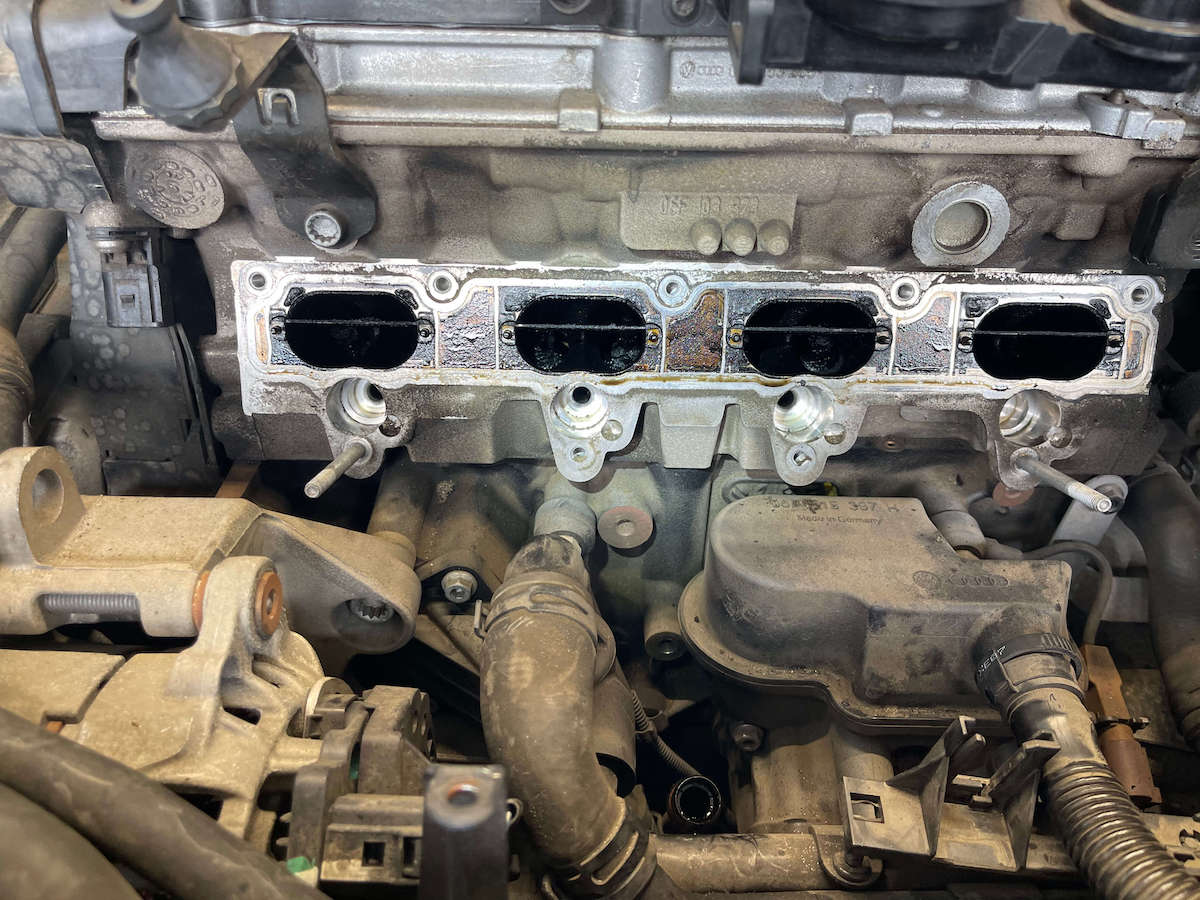
Every engine needs some care now and then to keep it running smoothly. Over time, grime, oil, and stubborn carbon deposits build up inside, affecting performance and fuel efficiency.
While traditional engine cleaning has long been the go-to solution, a more natural and precise method called walnut shell blasting is now making waves in workshops across Australia.
So, what makes this technique stand out, and how does it compare to conventional cleaning methods?
Let’s break it down and determine which method is better for your vehicle.
Understanding the Traditional Engine Cleaning Process
Traditional cleaning methods include a few different approaches, from steam and chemical degreasing to soda or bead blasting.
- Steam Cleaning: Uses high-pressure steam to wash away dirt and grease.
- Chemical Cleaning: Involves using solvents and detergents to dissolve grime.
- Soda or Bead Blasting: Uses baking soda or glass beads to scrub metal surfaces.
- Hot Tank Cleaning: Soaks parts in heated chemicals to loosen carbon build-up.
While these methods can be effective, they’re not always gentle on sensitive parts. They can also use harsh chemicals or a lot of water, which isn’t ideal for the environment.
What Is Walnut Shell Abrasive Blasting?
Walnut shell blasting takes a different approach. It uses finely crushed walnut shells as a natural abrasive to remove carbon deposits inside the engine, especially from intake valves and manifolds. The shells are blasted at controlled pressure, removing build-up without scratching or damaging metal surfaces. Walnut shells are biodegradable, non-toxic, and completely safe for the environment.
Walnut Shell Abrasive Blasting vs Traditional Cleaning
1. Cleaning Efficiency
Walnut shell grit blasting provides a deep and precise clean, especially in areas that traditional methods can’t reach easily. It’s particularly effective in direct injection engines, where carbon tends to collect on intake valves.
Traditional cleaning can remove surface grime but often struggles with built-up carbon inside the engine.
2. Environmental Impact
If you care about sustainability, walnut blasting is the greener choice. Since walnut shells are natural and biodegradable, they don’t harm the planet. Traditional chemical cleaning methods often rely on strong solvents that can be toxic and difficult to dispose of safely.
3. Safety and Surface Protection
Traditional blasting materials, such as glass beads or soda, can sometimes be too harsh on delicate parts. If used incorrectly, chemical cleaners may also corrode sensitive surfaces.
In contrast, walnut shells are tough enough to remove carbon deposits but soft enough to avoid damage. This makes them ideal for cleaning modern engines with precision-built components.
4. Cost and Maintenance
Traditional cleaning methods may seem cheaper initially, but can lead to more frequent maintenance since they’re not always as thorough. Walnut shell abrasive blasting might cost a bit more upfront, but it helps prevent future problems and extends the life of your engine.
Over time, the improved efficiency and reduced need for repairs can save you money.
5. Time and Convenience
Traditional cleaning methods, such as hot tank cleaning or chemical soaking, can take several hours or even days. Walnut blasting is much quicker and can, in most cases, be completed in just a few hours.
When Does Each Method Work Best?
Traditional Cleaning Works Well For:
- Older engines with rust or heavy corrosion
- Surface-level cleaning of engine bays or external parts
- Routine upkeep where carbon build-up isn’t severe
Walnut Shell Grit Blasting Works Best For:
- Modern direct injection engines
- Deep internal cleaning to restore lost performance
- Environmentally conscious car owners
- Workshops focused on sustainable and effective engine care
When searching for professional engine cleaning services that restore your vehicle’s power, performance, and efficiency, Port Carbon Clean is the company to choose.
Why Choose Port Carbon Clean for Engine Cleaning Services
With years of industry experience and advanced technology, our team at Port Carbon Clean is dedicated to helping petrol and diesel engines run smoother, cleaner, and longer.
We offer a complete range of services, including engine diagnostics, diesel injector testing and rebuilding, ECU tuning, CRD cleaning, GDI cleaning, DPF cleaning, EGR cleaning, and oil catch can installation. Each service enhances your engine’s performance, reduces emissions, and improves fuel economy.
We provide walnut shell blasting, a natural and gentle cleaning process that removes stubborn carbon deposits without damaging vital engine components. Contact our team today to experience the difference professional carbon cleaning can make.